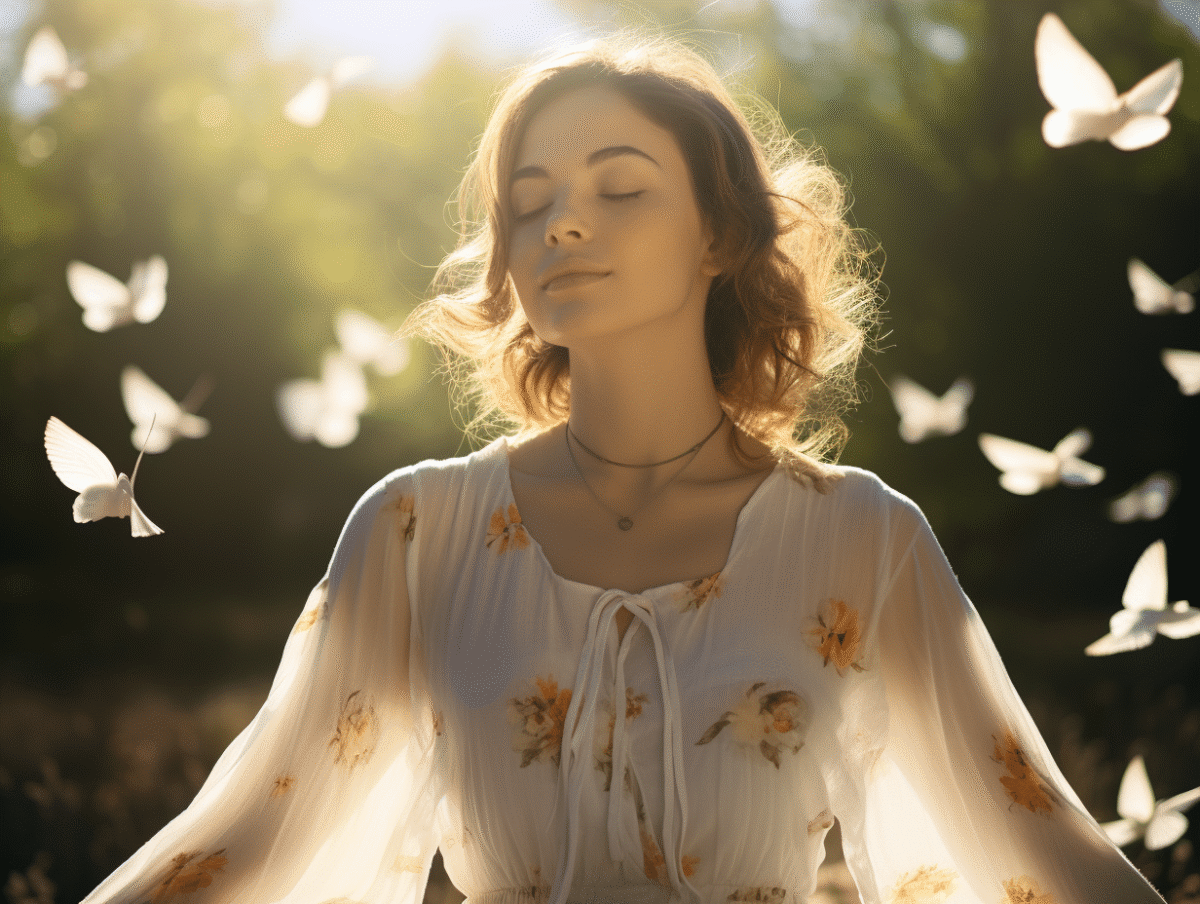
In a society where the fast pace of daily life generates stress and tension, finding methods to maintain well-being becomes essential. Relaxation exercises prove to be excellent tools for achieving this. Regularly practicing relaxation techniques can help reduce anxiety, improve sleep quality, and enhance concentration. Simple exercises, accessible to everyone, such as deep breathing, meditation, or yoga, can be integrated into daily routines. Adopting these practices fosters harmony between body and mind and is a step towards a better quality of life.
The Scientific Foundations of Relaxation Exercises
Stress, a response mechanism to situations perceived as threatening, involves the release of hormones such as adrenaline and cortisol. These chemicals, by increasing heart rate and blood pressure, prepare the body for action. However, when these responses become chronic, they can harm physiological and psychological balance. Here, MS Médical intervenes, demonstrating that relaxation, by reducing these reactions, promotes regeneration and resilience against the causes of stress, whether they stem from work, family life, social life, or health crises.
Scientific studies have confirmed that regular practice of relaxation exercises has a beneficial effect on health. Indeed, these practices can decrease cortisol production, known for releasing the sugar needed for energy in stressful situations. Relaxation helps lower heart rate and blood pressure, thereby improving cardiovascular health. These results highlight the direct relationship between relaxation and stress reduction.
It is important to note that relaxation is not a uniform practice; it comes in a variety of techniques suited to each individual. Methods such as meditation, controlled breathing, or yoga create a state of physical and mental relaxation, interrupting the stress spiral. These techniques act on the parasympathetic nervous system, responsible for the body’s resting state, and promote a relaxation response in contrast to the “fight or flight” response of the sympathetic nervous system. They restore harmony and well-being within the individual.
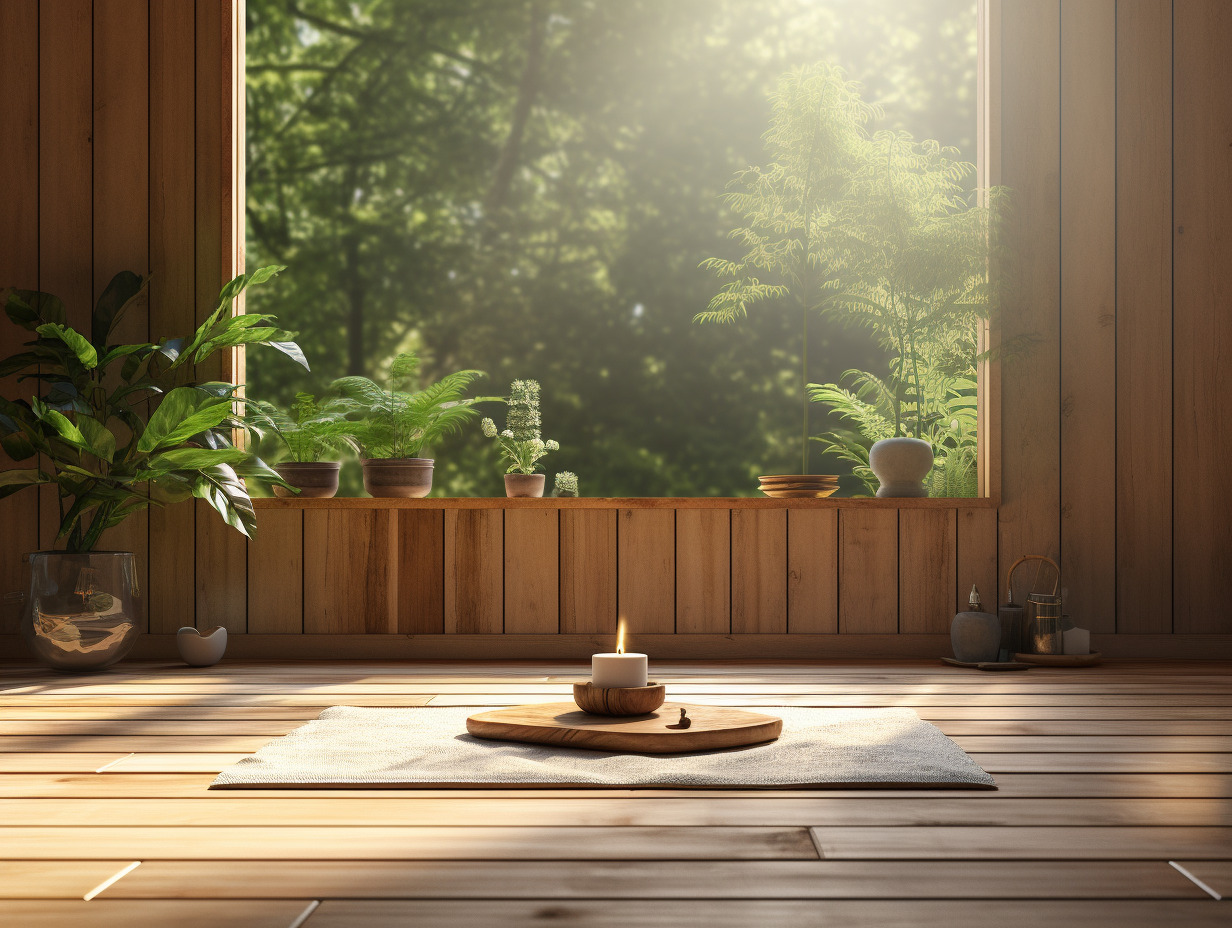
Practical Guide: Relaxation Exercises for a Calmer Daily Life
Consider abdominal breathing as a gateway to deep relaxation. This simple yet powerful exercise facilitates optimal oxygenation and helps release accumulated tension. Sit or lie down comfortably, place one hand on your abdomen, and breathe slowly through your nose, ensuring that your hand rises with each inhalation. Exhale through your mouth and feel your hand lower. This exercise, to be practiced several times a day, is a valuable ally against stress.
The Théraséréna program is part of a supportive approach to learning relaxation techniques. Developed by specialists, it offers a structured framework to discover and master methods such as dynamic relaxation or sophrology. Follow this program for a guided and personalized approach, allowing you to integrate relaxation into your daily life.
Embrace the practice of dynamic relaxation for an immediate effect on your stress levels. Simple, controlled movements such as “shoulder pumping” or “virtual walking” promote body awareness and mental release. Combine calm breathing and mental visualization with these movements for optimal synergy between body and mind.
The use of plants can also be integrated into a relaxation routine. Brahmi (Bacopa monnieri), recognized for its calming properties in Ayurvedic medicine, serves as a natural supplement to support mental balance. Consider this plant as an additional support in your stress management approach, using it cautiously and after medical advice.