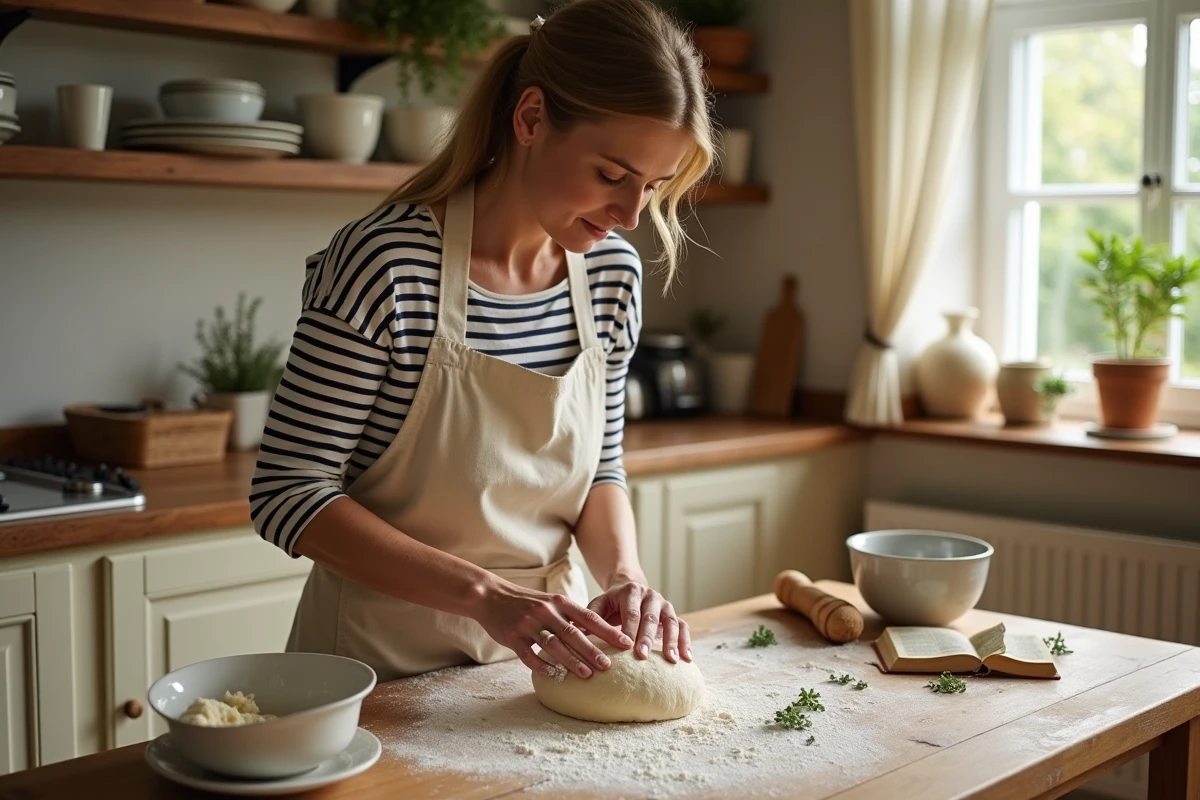
A child pushing away their plate because the sauce contains milk, another who cannot touch the nuts in the snack cake: we all know this situation at the table. Preparing delicious recipes as a family today means juggling with increasingly numerous dietary constraints. Rather than cooking two separate meals, we can rethink some basics so that everyone can enjoy the same dish every day.
Food allergies in children: adapting recipes without sacrificing taste
Allergies to cow’s milk, eggs, or nuts are among the most common in young children. The usual reflex is to remove the ingredient and look for an industrial substitute. The problem is that these substitutes often change the texture or flavor of the dish, and children notice it quickly.
A more effective approach: choose recipes that do not require the allergen from the start. A vegetable gratin bound with potato starch and broth rather than classic béchamel gives a creamy result without milk or butter. For cakes, applesauce replaces eggs in many cake batters without noticeably altering the moistness.
We can also think in terms of recipe families. Stews (like beef with carrots, Basque chicken) rely on a base of tomato sauce or broth that naturally contains none of the common allergens. This is a solid starting point for building a family weekly menu.
To find new adapted ideas, Watoote’s kitchen to discover gathers recipes that lend themselves well to these adjustments.
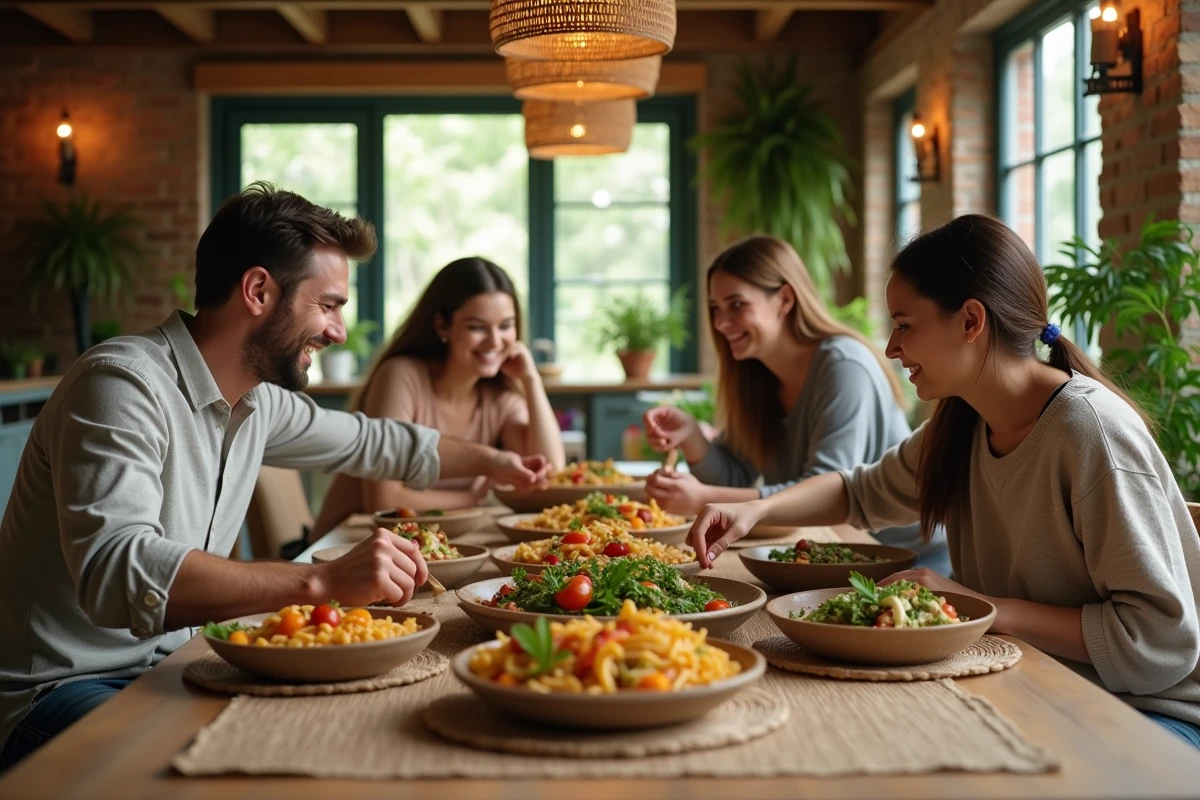
Quick family recipes: three basics to master rather than ten dishes to skim over
Accumulating recipes in a notebook or on Pinterest does not solve the Tuesday night problem when you have forty minutes ahead and a half-empty fridge. Better results come from mastering a few basic techniques that you can adapt based on what you have on hand.
The express gratin with fridge leftovers
This formula works with almost all vegetables: leeks, zucchini, broccoli, cauliflower. You chop, arrange them in a dish, pour a mixture of beaten eggs (or diluted starch for those with allergies), add grated cheese if possible, and bake. A gratin can be assembled in less than ten minutes of active preparation.
Children are more accepting of vegetables when they are gratinéd. Feedback on this point varies by family, but the golden layer on top often makes a difference compared to steamed vegetables served as is.
Homemade pasta sauce
A plate of pasta with homemade tomato sauce (peeled tomatoes, garlic, olive oil, salt, pepper) takes barely more time than a jar of industrial sauce. You can add whatever you want: sliced chicken, diced zucchini, mushrooms. Homemade sauce allows you to control exactly what goes into the plate, a direct advantage when managing allergies.
Thick meal soup
A blended vegetable soup with potatoes for thickness, served with bread and cheese, makes a complete meal. You can sneak in red lentils for protein. Thick soups are generally better accepted by children than clear broths.
Cooking as a family with short-season products
The trend towards short supply chains and ultra-localized products has grown in recent years, according to a FNAB report published in March 2026. Practically, this changes the way meals are planned: you no longer start with a recipe to do your shopping, you start with what you find at the market to decide on the menu.
This logic works well in families when you take the children to choose the vegetables. A child who has chosen radishes or strawberries at the market is more likely to accept finding them on their plate in the evening.
- Short-season vegetables (asparagus in spring, squash in autumn) allow for varying dishes without looking for new recipes: you simply replace the main vegetable in a base you already know.
- Fresh seasonal fruits are a great substitute for industrial sweet desserts: a sugar-coated strawberry salad, homemade pear compote, a basic apple crumble.
- Fresh herbs from the market (parsley, coriander, basil) transform an ordinary dish without adding preparation time, just a quick snip at serving time.

Family meals: involving children to reduce refusals at the table
Involving children in cooking is not just a creative pastime. It is a concrete strategy to reduce conflicts at mealtime. A child who has washed the tomatoes, stirred the sauce, or rolled out the pie crust has a different relationship with the dish being served to them.
Assigning an age-appropriate task is enough: the youngest wash the vegetables, the older ones peel or measure the ingredients. You don’t need an elaborate cooking workshop. A few simple actions before the meal change the atmosphere at the table.
INRAE has observed in a study from January 2026 a growing interest in family cooking workshops, including hybrid formats combining online and in-person, to adapt to parents’ schedules. This type of practice extends the idea of cooking together beyond just the evening meal.
The last point to keep in mind: regularity matters more than perfection. A simple meal prepared together each week establishes a more sustainable eating habit than a gourmet dish attempted once a month. We aim for the everyday, not the exceptional.