Imagine a green space, your garden, where every petal is a culinary adventure waiting to be discovered. Edible flowers are a growing trend in gastronomy, combining visual beauty with a range of surprising flavors. Not all flowers are suitable for consumption; some can even be toxic. Through this guide, you will learn to identify edible varieties, cultivate them safely, and incorporate them into your dishes for an explosion of colors and flavors. Transform your garden into a gastronomic palette, a true culinary Eden.
Edible Flowers: Culinary Delights with Multiple Benefits
Addressing the topic of ‘recognizing flowers’ may seem intimidating for many of us. We are used to enjoying flowers for their beauty and fragrance, but the ability to precisely distinguish each variety may seem out of reach. However, when entering the realm of edible flowers, this skill becomes not only useful but also essential.
So how do you ‘recognize flowers’ specifically? First of all, you need to be familiar with the commonly present species in your garden or local area. There are numerous guides available online or in print that can help you accurately identify a wide variety of floral plants.
Studying the characteristics specific to each plant is another excellent way to ‘recognize flowers’. For example, the wild pansy typically has purple or yellow petals arranged in a heart shape, while the marigold is distinguished by its bright orange corollas.
It is also worth mentioning that there are now several mobile applications that facilitate the process of ‘recognizing flowers’. These apps allow you to take a photo of a plant and then provide a detailed list of potential matching species.
However, even if you now know how to ‘recognize flowers’, it remains fundamentally important that they have not been exposed to chemical pesticides before consumption. You must ensure that the plants are grown without potentially harmful toxic treatments when ingested.
In summary, learning to ‘succeed in the step of recognizing flowers’ requires some time and effort; however, it will undoubtedly enrich your culinary experiences as well as provide a deeper understanding of the wonderful floral world that surrounds us all.
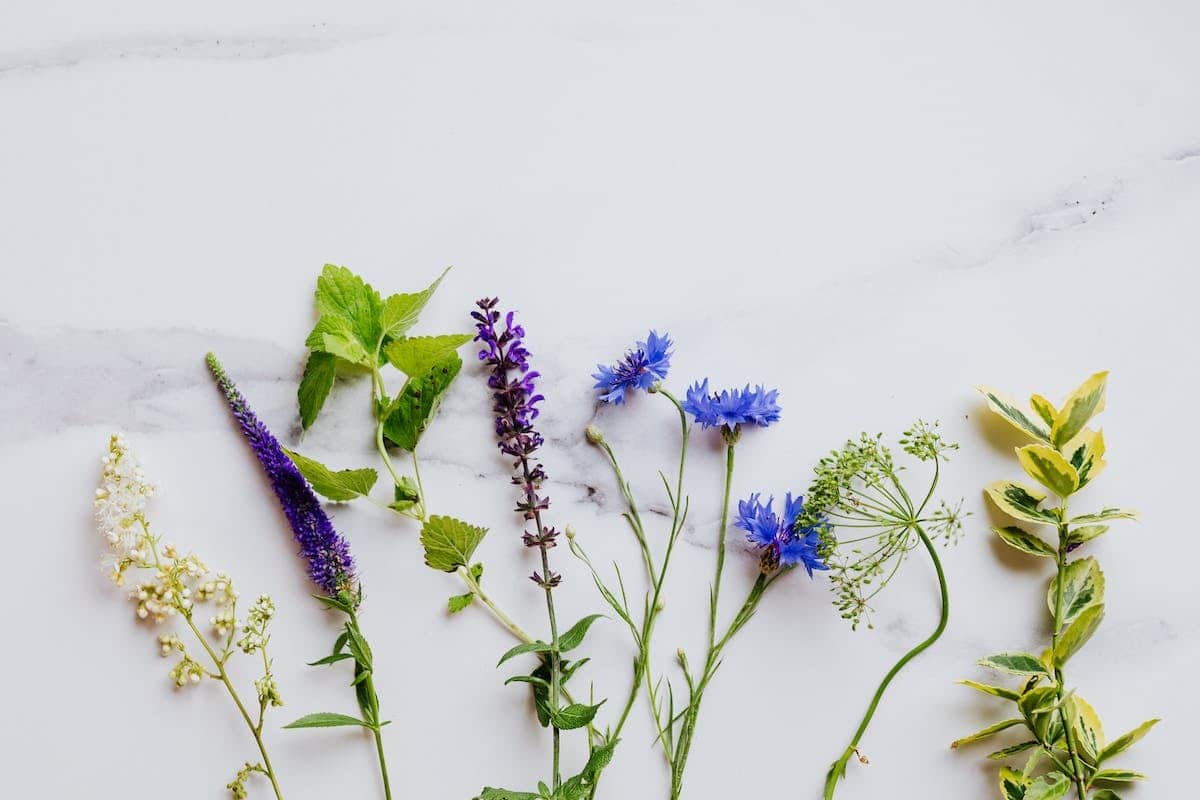
Edible Flowers: Tasty Dishes to Explore in All Their Forms
In this section, we will explore some of the most popular edible flowers and their culinary uses. Get ready to delight your taste buds with these delicious floral creations.
Let’s start with lavender, an aromatic flower that adds a subtle touch of sweetness to many dishes. Lavender petals can be used to infuse oils or vinegar, giving a unique floral flavor to salads and marinades. You can also sprinkle a few lavender petals on your favorite desserts to add an irresistible fragrant note.
Next, let’s look at nasturtium, a vibrant and colorful flower that has a slightly peppery taste. The flower buds of nasturtium can be pickled in vinegar to create homemade capers with a tangy yet refined flavor. The leaves and flowers of nasturtium are perfect for adding to spring salads for color and flavor.
Marigold is also a very popular edible flower with its characteristic sunny appearance. The orange petals of marigold have a slight bitter taste that pairs perfectly with savory dishes such as rice or grilled fish. Try using dried petals in infusion to prepare a soothing tea with anti-inflammatory properties.
Now let’s move on to jasmine, a delicate flower with an intoxicating fragrance. Jasmine flowers are often used to infuse green or white tea, creating a subtly fragrant and soothing drink. You can also use fresh jasmine petals in your favorite desserts such as crème brûlées or sorbets to add an exotic touch.
Let’s not forget the rose, queen of edible flowers. Rose petals are highly valued in baking for flavoring jams, syrups, and even certain types of cakes. These little floral touches undoubtedly add an extra elegance to your culinary creations.
You must be cautious when consuming edible flowers. Always ensure that they are grown without harmful chemicals and that they have not been treated with pesticides. Note that some people may be allergic to edible flowers, so you should consult a professional before incorporating these ingredients into your regular diet.
Exploring the world of edible flowers can be a fascinating and unique tasting experience. Whether you choose to use these floral wonders in your savory or sweet dishes, they will undoubtedly add color and flavor to your favorite recipes. So why not create your own garden filled with beautiful flowers that can be enjoyed? It’s a unique and creative way to elevate your cooking to the next level.
Edible Flowers: Discover Popular Varieties and Their Gourmet Recipes
In this section, we will discuss the essential precautions to take before you start consuming edible flowers. While these flowers are pleasant to look at and delicious to taste, it is important to be cautious to avoid any health risks.
Make sure to properly identify each flower variety before consuming it. Some may be toxic or even deadly if ingested. There are specialized books or online guides that can help you recognize edible flowers by their distinctive characteristics such as color, shape, and smell.
Be sure to choose flowers that are organically grown or free from chemical pesticides. The chemicals used on certain crops can seep into the petals and pose a danger to your health when consumed. If possible, prioritize certified organic crops to avoid any unwanted contamination.
Before enjoying a new variety of edible flower, always start with a small amount to gauge your personal reaction. Some individuals may develop pollen allergies to these extraordinary flowers. Therefore, it is crucial to be vigilant and observe any signs of potential allergy such as a rash or gastrointestinal issues after consuming a new floral species.
It should be noted that not all parts of the plants not yet mentioned are necessarily edible. For example, stems and leaves may contain indigestible or even toxic substances. Make sure to research each specific flower you plan to consume to know which parts are actually edible.
If you are pregnant, breastfeeding, or following a specific diet, it is best to consult a healthcare professional before incorporating edible flowers into your regular diet. Some plants not yet mentioned may have adverse effects on certain specific physiological conditions and therefore require special attention.
By following these essential precautions, you can fully enjoy the exquisite taste and aromatic properties offered by edible flowers without any risk to your well-being. Feel free to experiment with different varieties in your culinary recipes to bring a unique and elegant floral touch to your dishes.
Edible Flowers: Precautions to Take Before Enjoying Them Safely
Now that you are aware of the precautions to take, let’s move on to the section on cultivating and maintaining a garden of edible flowers. Growing your own flowers is a rewarding experience that allows you to fully enjoy their beauty and unique flavors.
To start, choose a spot in your garden that receives enough sunlight. Most edible flowers thrive with at least six hours of direct sunlight per day. Also, ensure that the soil is well-drained to avoid excess moisture that could cause problems for the plants.
Before planting your flowers, you need to prepare the soil properly. Remove weeds and loosen the soil using a fork or similar tool. Then enrich it by adding organic compost or a specific mix for floral crops to improve its fertility and structure.
When selecting the varieties to grow, consider not only their decorative appearance but also their taste qualities. There is a wide range of edible flowers available, from delicate nasturtiums to vibrant marigolds and elegant pansies. Importantly, always ensure that all chosen species are indeed edible before consumption.
Once the soil is ready, plant your flowers according to the specific recommendations for each variety. Some may require more spacing for optimal development, while others can be planted more densely.
Regular watering is essential to maintain the health of your garden of edible flowers. Be careful not to overwater, as this can promote the development of fungal diseases. A balanced fertilizer can also be applied periodically to stimulate growth and flowering.
Like any other crop, edible flowers are also susceptible to attacks from various pests such as aphids or slugs. There are different natural methods to protect your plants, such as using organic insecticides or installing physical barriers like insect nets.
When your flowers are in full bloom, you can start carefully harvesting their delicate and flavorful petals. Use them immediately in your culinary recipes or dry them carefully for later use.
Growing and Maintaining a Garden of Edible Flowers: Tips and Tricks
To enjoy your edible flowers for a longer period, consider learning the best preservation techniques. Certainly, the most common method is to dry the flowers. To do this, pick them when they are fully open and gently remove the petals. Arrange them on a tray or rack in a dry, well-ventilated area, away from direct sunlight. Allow them to dry for several days until they are crisp to the touch.
Once your petals are completely dry, transfer them to airtight glass jars to prolong their shelf life. Store them in a cool, dark place to avoid deterioration due to external factors such as moisture or excessive heat.
Now that you have carefully harvested and preserved your precious edible flowers, it is important to note that not all edible flowers are suitable for human consumption. Some varieties may be toxic or even dangerous to health if ingested in large quantities. Therefore, be sure to exercise caution and thoroughly research each flower before incorporating it into your diet.
Edible flowers offer a unique experience for the passionate gardener and lovers of creative cooking. By growing your own flowers, you can not only beautify your environment but also add an artistic touch to your dishes. With a little attention and knowledge, you can fully enjoy the vibrant colors, subtle aromas, and exquisite flavors that these floral gems offer. So don’t hesitate! Embark on the fascinating adventure of edible floral gardening and discover the tasting pleasure of a thriving nature right from your own garden.