Every change of season poses the same question in front of the wardrobe: keep, replace, adjust. Fashion trends are not meant to make you buy everything new, but to identify a few pieces or colors that refresh an existing wardrobe. This article details the concrete mechanisms for adapting your style as the seasons change, taking into account the new regulatory constraints that are transforming the way clothes are produced and sold in Europe.
European textile regulation: what changes for your wardrobe
Have you noticed that some brands are communicating more about the traceability of their products? This is not a marketing choice: it is an obligation in the making.
Separate collection of textiles has been required in the European Union since January 1, 2025. In practical terms, your old clothes will no longer end up in the regular trash, and brands must financially contribute to this system.
The destruction of unsold goods has been regulated since July 2026 for large companies (clothing, accessories, shoes). Medium-sized companies will be affected starting in 2030, while micro and small businesses remain exempt. There are exceptions, but the direction is clear: a produced garment must find a buyer or be reused.
In France, the 2026 law requires the display of the manufacturing location near the price for textiles sold online. Starting January 1, 2027, additional restrictions will target ultra-fast fashion practices. When you spot a trendy piece at a very low price, the origin and production conditions will become accessible information. Exploring everything about fashion with C Nouveau allows you to follow these developments while discovering stylish inspirations.

Trendy colors and materials by season: choose wisely
Seasonal palettes are not arbitrary. They respond to natural light, worn textures, and collective desires captured by fashion shows.
Spring-summer: bright colors and light fabrics
Red remains a key color for the warm seasons. Shades of green (from lime to emerald) and pastel tones (beige, powder pink, sky blue) complete the palette. The idea is not to wear everything at once, but to choose a strong color as the guiding thread of your outfits.
In terms of materials, silk and linen provide the desired fluidity when temperatures rise. Lightweight denim and fine leather are reinvented each year in summer versions.
Autumn-winter: warm tones and enveloping textures
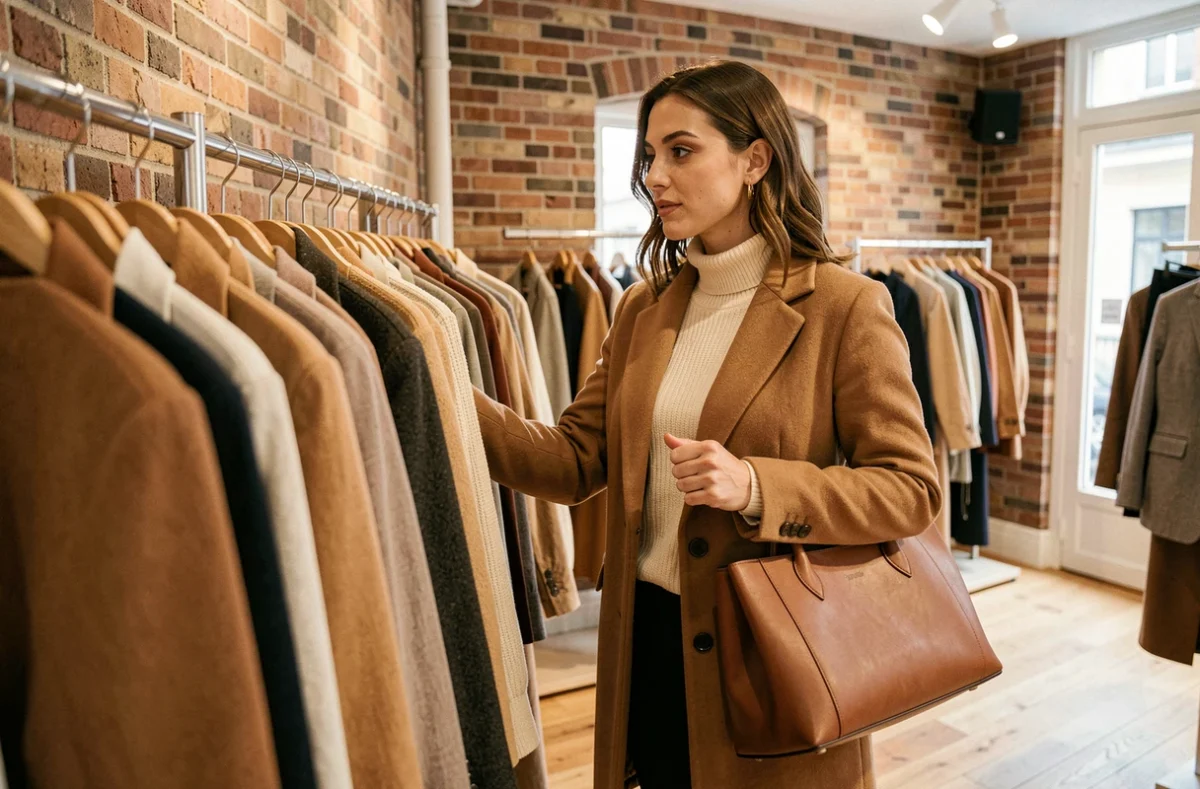
Warm tones (camel, rust, burgundy) naturally dominate the cold season. Bright shades do not disappear either: they are worn as accents on an accessory or a unique piece.
Tartan and animal prints return every autumn-winter with variations in size and color. A well-chosen print is enough to structure an entire look without accumulating pieces.
Key pieces to own for all seasons
Rather than listing twenty basics, let’s focus on the pieces that truly function as wardrobe pivots.
- The oversized blazer: worn over jeans in mid-season or over a light dress in summer, it transitions from a casual style to a structured look simply by changing the bottom
- The barrel jean: this wide cut at the thighs and tapered at the ankle replaces the slim in current wardrobes, with significantly better comfort
- The long coat: in wool or a blend, it covers the majority of winter outfits and remains relevant for several seasons in a row
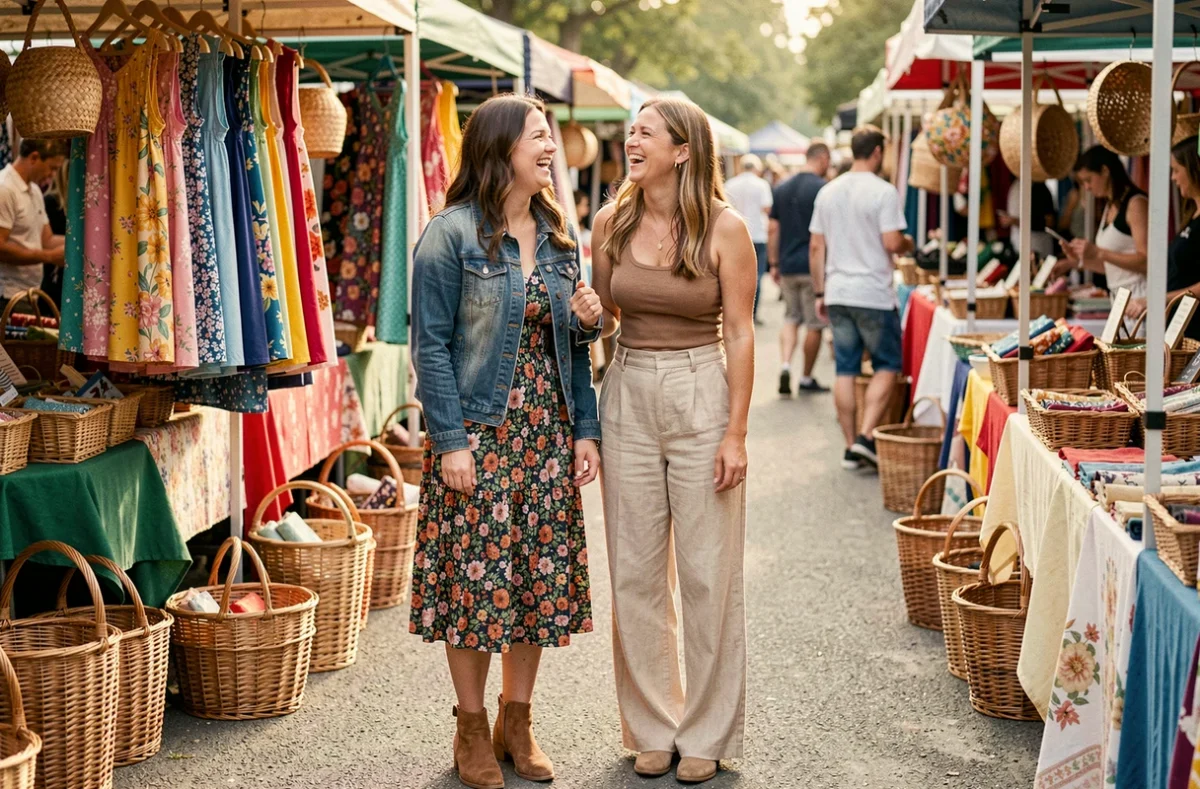
- The midi dress: long enough for autumn with boots, fluid enough for summer with flat sandals
A garment that works for two seasons is better than two disposable pieces. It’s also the simplest economic calculation in the face of rising raw material costs.
Fashion accessories and tips to refresh a look without changing everything
Have you ever noticed how the same outfit can change radically with a different accessory? It’s the most underestimated lever.
A structured bag transforms a casual outfit into a polished look. A defined belt reshapes the silhouette over a coat or oversized blazer. Accessories absorb trends without requiring a complete wardrobe overhaul.
In practice, three reflexes allow you to refresh your outfits each season:
- Change the palette of your accessories (scarf, bag, shoes) to follow the dominant colors of the season, without touching the basics
- Layer pieces: an oversized sweater over a shirt, a short trench over a dress, a vest over a t-shirt. Each added layer creates a distinct look
- Play with contrasts of materials: pair leather with linen, raw denim with fine knit. The mix of textures adds depth even to neutral colors
Adapting your style season after season does not require an unlimited budget. It’s enough to know the few pivot pieces in your wardrobe and to combine them differently. Trends serve as a compass, not a shopping list. With the new traceability rules and the regulation of unsold goods, the market is indeed moving in this direction: less volume, more thoughtful choices.